
Understanding Reputation Management: Benefits and Core Functionality
What is Reputation Management?
Reputation Management is a powerful digital tool designed to help businesses manage their online presence, particularly focusing on how they are perceived across various review platforms, social media, and local listings. It enables businesses to monitor, analyze, and respond to customer feedback in real time, thereby improving overall brand reputation and customer engagement.
With the rise of online reviews and local search, it's more crucial than ever for businesses to maintain a positive and consistent image across all digital touchpoints. Reputation Management offers a centralized platform for companies to efficiently oversee their online interactions and performance.
Key Benefits of Reputation Management
1. Enhanced Customer Engagement
Reputation Management allows businesses to respond promptly to customer reviews, whether positive or negative. This immediate interaction shows customers that their feedback is valued, fostering trust and loyalty..png?width=520&height=427&name=Square%2c%20Template-1%20(1).png)
2. Improved Local SEO
By managing local listings and ensuring accurate, consistent business information across directories, Reputation Management helps improve search engine visibility, driving more traffic to physical locations and websites.
3. Comprehensive Analytics and Insights
Reputation Management provides in-depth analytics on customer sentiment, review trends, and competitor benchmarks. These insights help businesses identify strengths and areas for improvement in their customer service and operations.
4. Brand Protection
With real-time monitoring of reviews and social mentions, businesses can quickly address any negative publicity or misinformation, minimizing potential damage to their brand.
5. Review Generation and Management
The platform offers tools to solicit reviews from customers, helping businesses gather more positive feedback and increase their overall rating on major review sites like Google, Yelp, and Facebook.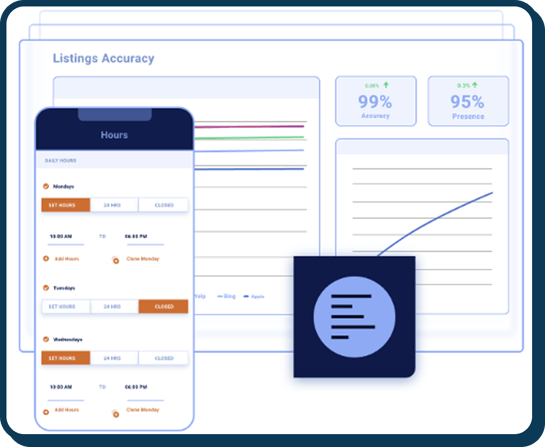
Basic Functionality of Reputation Management
1. Review Monitoring
Reputation Management aggregates reviews from multiple platforms into a single dashboard. Businesses can monitor feedback from sites such as Google, Facebook, Yelp, and industry-specific directories.
.png?width=540&height=443&name=Square%2c%20Template%20(2).png)
2. Response Management
Users can respond directly to customer reviews from within the platform. Pre-configured templates and automated responses streamline this process, ensuring timely engagement.
3. Listing Management
Reputation Management helps maintain up-to-date business information (such as hours, addresses, and contact details) across numerous directories, ensuring accuracy and consistency.
4. Sentiment Analysis
The tool analyzes customer feedback to determine overall sentiment, identifying common keywords and themes that reflect customer experiences.
5. Competitor Benchmarking
Businesses can compare their performance with competitors in terms of review ratings, volume, and sentiment. This helps identify competitive advantages and areas requiring strategic attention.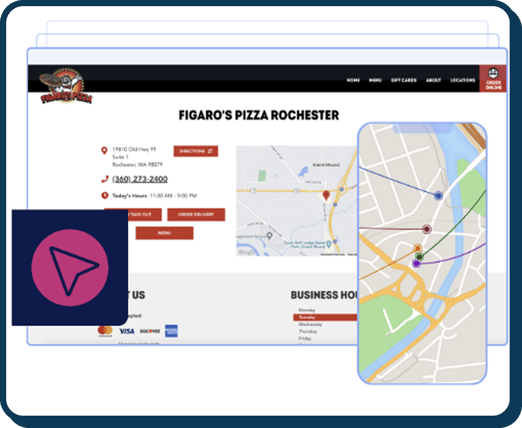
Conclusion
Reputation Management is an essential tool for any business aiming to thrive in a digital-first world. By centralizing the management of online reviews, social media mentions, and business listings, it empowers companies to take control of their brand image, enhance customer relationships, and drive growth through better visibility and customer satisfaction.
For businesses looking to elevate their online presence and ensure consistent customer engagement, adopting Reputation Management is a strategic move towards long-term success.
To learn more, you can book a demo with us here Marketing for Gyms | Approach!